

The thing about Artificial Intelligence (A.I.) and using it is that it isn’t inherently a bad thing. In all honesty, A.I. can be extremely useful, whether in gaming, filmmaking, or even anime production. I do support the use of A.I. as a tool, as long as it is not the main foundation of the work. When A.I. starts replacing the core creative process rather than supporting it, that’s where I draw the line for authenticity.
This idea is echoed not only by creators, but also by industry research. A recent McKinsey report on A.I. in the workplace introduces the concept of “superagency,” which describes a future where A.I. enhances human capability rather than replaces it. The emphasis isn’t on automation for its own sake, but on empowering people to do deeper, more meaningful work by removing unnecessary friction. That distinction matters. A.I. works best when it amplifies human judgment and creativity, not when it attempts to substitute for them.
I read the CNN article featuring Hideo Kojima, and one particular statement stood out to me. He said, “Rather than having AI create visuals or anything like that, I’m more interested in using AI in the control systems.” That perspective perfectly captures where A.I. works best. A.I. isn’t meant to be the storyteller, the artist, or the director. It’s meant to operate behind the scenes, enhancing how things function without taking ownership of the vision itself.

A.I. is not new, what’s new is how advanced and accessible it has become. Many systems already rely on some form of A.I., especially in gaming. Enemy behavior, difficulty scaling, and non-player character movement have existed for years. What’s changing now is adaptability. Kojima talks about how every player moves differently, reacts differently, and develops unique habits. Using A.I. to respond to those differences doesn’t replace creativity; it deepens immersion. The story still comes from a human mind, while A.I. helps the world respond in a more natural, personalized way.
That same philosophy should apply across creative industries. A.I. should not be writing the story, creating the characters, or determining emotional beats. Those are the elements that carry meaning, perspective, and intention. Stories resonate because they reflect human experience, imagination, bias, uncertainty, contradiction, and emotional memory. While A.I. can replicate patterns, it cannot replicate genuine connection.
This concern becomes especially visible in animation. Recently, a Japanese studio announced an anime project that uses A.I. for the majority of its animation cuts. While the studio described the technology as “supportive,” the announcement sparked debate among fans and artists. The concern isn’t just about job security, it’s about sameness. When A.I. is heavily relied upon for visual generation, scenes can start to feel mechanically reproduced rather than intentionally animated.
Another major issue is repetition. When A.I. is overused in animation or visual production, movements, expressions, and framing can begin to repeat. At that point, the work starts to resemble a 3D model pipeline where a single base is reused and repositioned endlessly. Everything technically functions, but nothing feels alive.
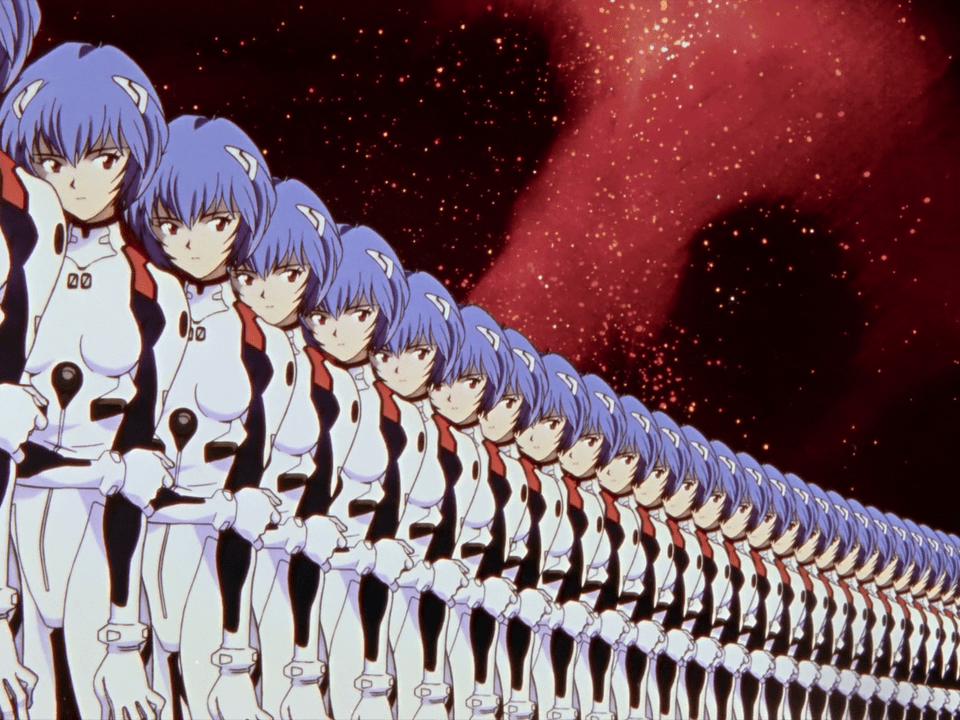
Those small imperfections, slight changes in posture, timing, or expression, are what give characters personality. When everything is too consistent, too optimized, or too clean, it becomes noticeable. The result may look polished, but it feels hollow. Art needs a human touch, even when it’s messy.
That said, there is a place where A.I. genuinely shines. Using it for repetitive, labor-intensive tasks like cleanup, retracing, in-betweening assistance, background refinement, or technical adjustments makes sense. These are tasks that already involve repetition and can exhaust creators without adding much creative value. Letting A.I. take on that burden can actually protect creativity by giving artists more time and energy to focus on storytelling, character development, and emotional depth.
This aligns directly with McKinsey’s findings: employees don’t want A.I. to replace them, they want it to remove the most tedious parts of their work so they can focus on what actually requires human thought. When A.I. stays in that supportive role, it becomes empowering rather than threatening.
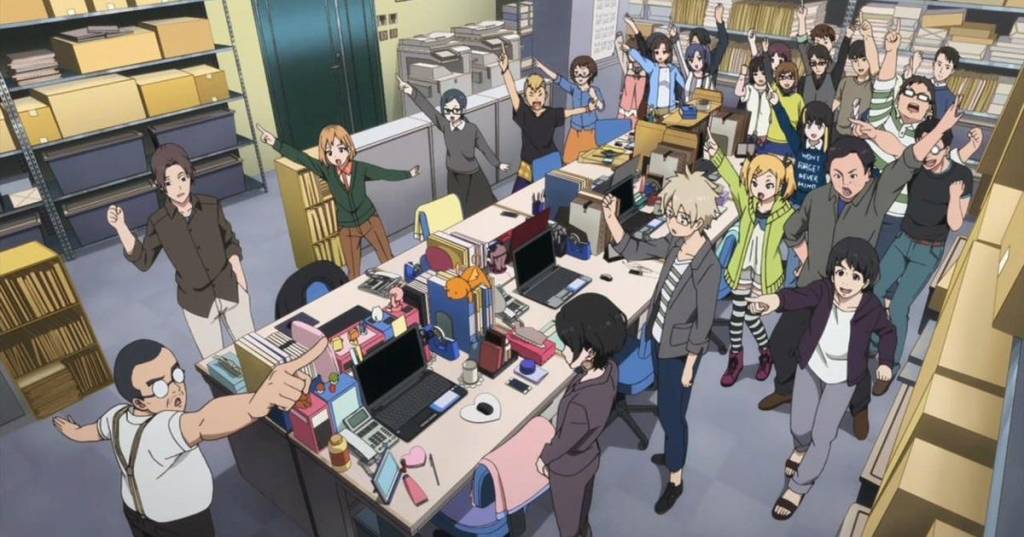
The problem arises when A.I. shifts from assistance to authorship. When it starts generating stories, creating characters, or determining how scenes should feel, creativity becomes templated. Expression becomes standardized. Over time, everything starts to look and feel the same.
The goal should never be to remove humans from the creative process. Instead, A.I. should support human vision, not replace it. Kojima’s approach shows there is a responsible middle ground, one where technology enhances systems and immersion without overwriting intent. At its best, A.I. helps creators do more of what only they can do.
Stories aren’t assembled from data. They’re written with intention, emotion, and connection. Characters exist because someone imagined their flaws, motivations, relationships, and growth. That human connection is what gives a story its soul and it’s something A.I. cannot genuinely replicate.
Creativity is imperfect, deliberate, and deeply personal. That’s exactly why it lasts and why it’s worth protecting.
What are your thoughts on A.I. usage in the creative space?
Thank you for reading this far!
Stay up to date with us by following us on our social media and blog!
References:
CNN Article on Hideo Kojima
GameRant: Japanese Studio Announces Anime Heavily Made With AI
 Otaku Index